

Dressed for the Occasion: Your Guide to Designer Gala Dressing
A gala is not merely an event — it is an occasion with a visual language of its own. The grand entrance, the candlelit room, the expectation that what you wear will speak before you do. Getting it right is less about following a dress code and more about understanding what the moment calls for: considered construction, deliberate fabric, and a silhouette that carries itself with ease from the first champagne to the final toast.
At Lola Dré, the Evening Gala Edit has been assembled with precisely this in mind — 89 pieces drawn from the world's most thoughtful designers, each chosen for the way it performs under formal conditions. Not just aesthetically, but practically: how a gown moves through a room, whether a structured bodice holds its shape through dinner, how hand-finished embellishment catches light without overpowering the wearer.
The Foundation: Choosing Your Silhouette
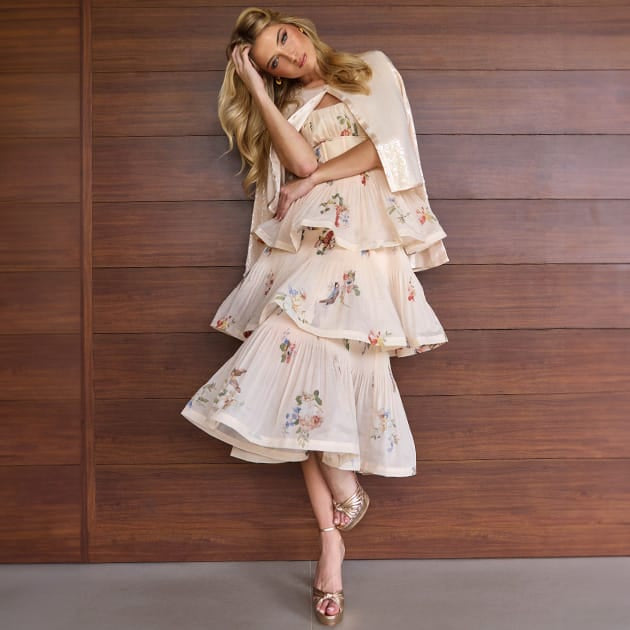
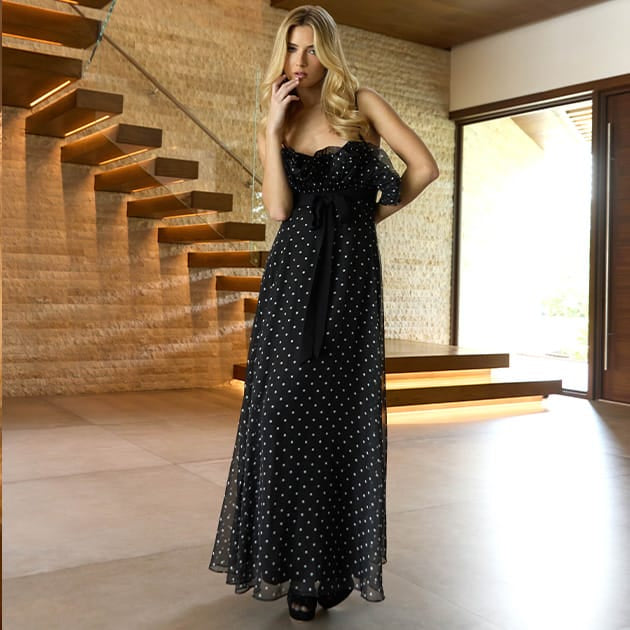
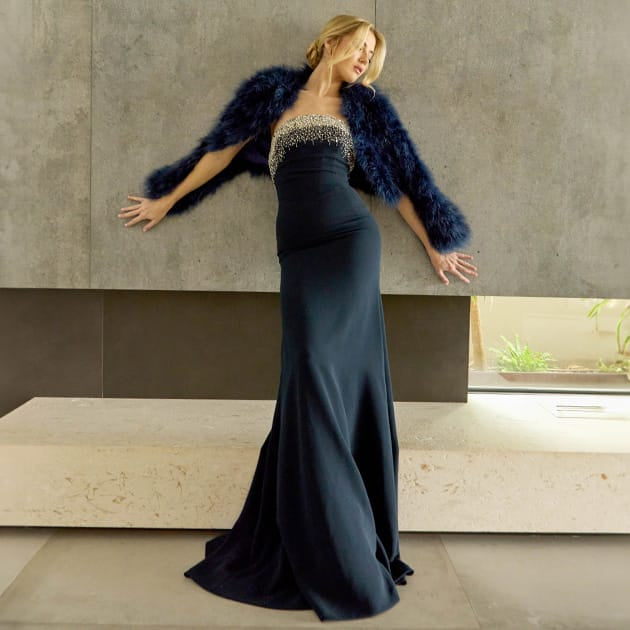
Black-tie dressing has evolved. The column gown — once the default of formal evenings — now shares the floor with structured midi lengths, sculptural off-shoulder designs, and cape-back silhouettes that bring genuine drama without requiring a sweeping train. The most enduring formal looks tend to be built on one principle: the silhouette does the work, and everything else — beading, drape, embroidery — supports it rather than competes with it.
For charity galas and black-tie dinners, a floor-length gown in a weighted fabric — duchess satin, heavy crepe, or silk charmeuse — projects the kind of quiet authority the occasion demands. For arts galas or fashion-adjacent events where the dress code allows more interpretation, a sculptural cocktail-length dress or a cape-sleeved design gives you room to express personality while remaining unambiguously formal.
The Details That Define Designer Eveningwear
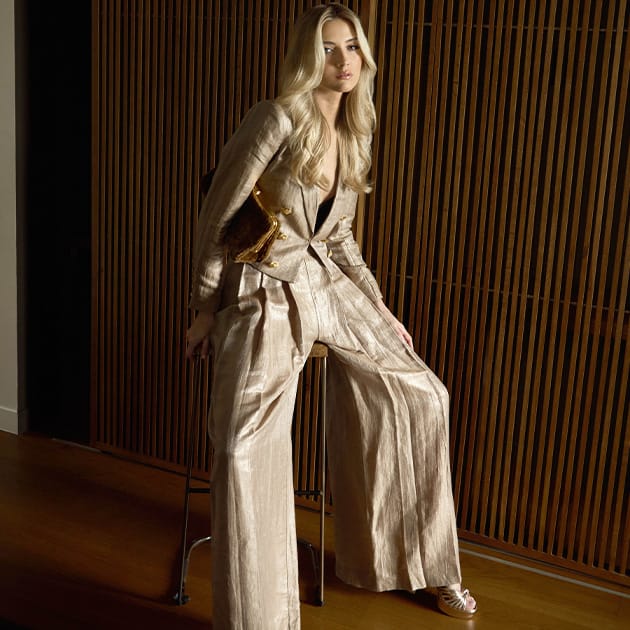
What separates a designer gala dress from its high-street counterpart is almost always found in the finishing. Hand-applied crystal embellishment — each stone placed individually rather than machine-set — creates a depth of texture that shifts with movement. Pleating techniques borrowed from couture, structured boning that contours without constricting, and linings cut with the same precision as the outer shell: these are the details that make the difference by the end of a long evening.
Alexandre Vauthier, one of the houses represented in this edit, is known for exactly this kind of considered approach. Their crystal embellishment work — seen across both their ready-to-wear and accessories — is executed with the same rigour as their couture pieces, making even a finishing detail like a heel feel like part of a complete formal proposition.

Completing the Look: The Case for a Considered Shoe
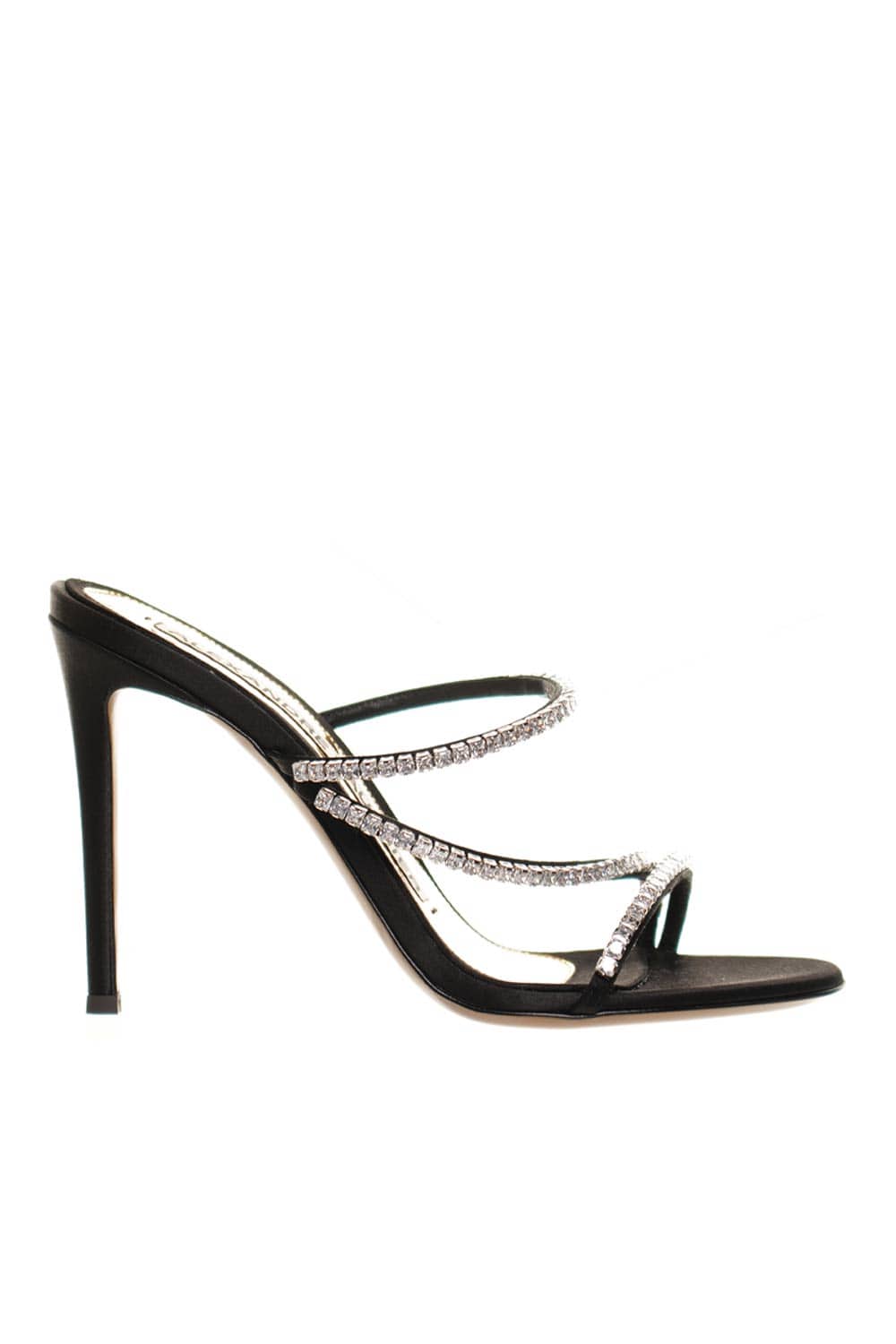
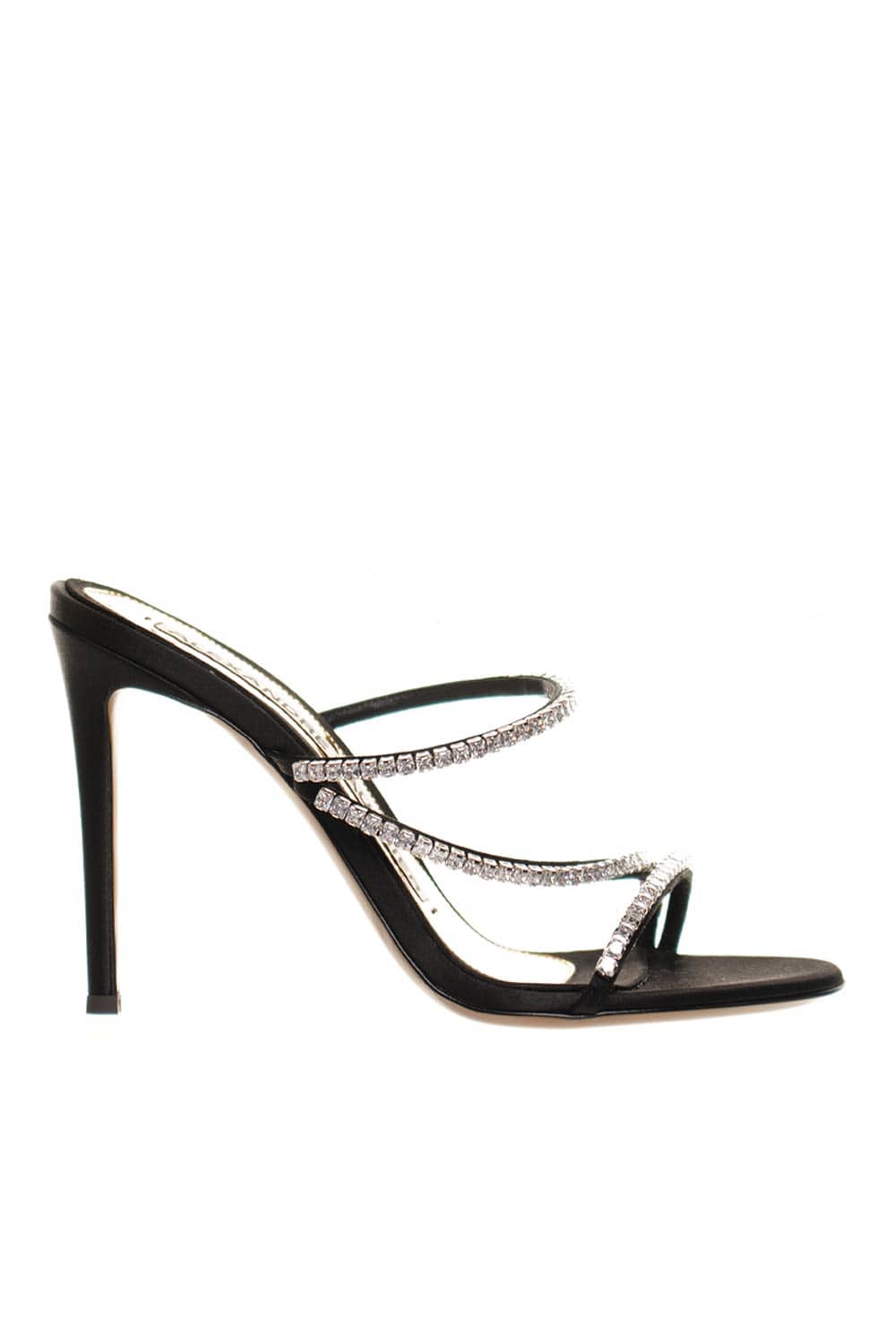
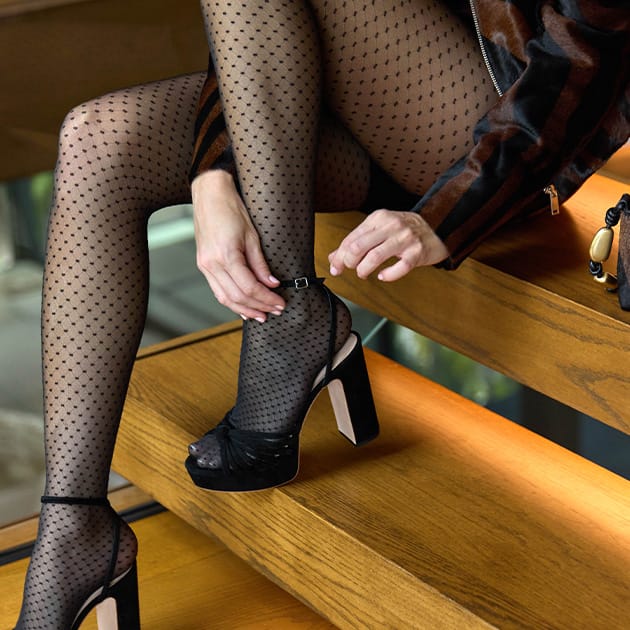
The most common oversight in formal dressing is treating the shoe as an afterthought. In reality, a gala heel — particularly one visible beneath a floor-length gown — sets the register for the entire look. Alexandre Vauthier's crystal-embellished mule in black leather is a case in point: understated in silhouette but meticulous in execution, with hand-set crystals across the strap that echo the kind of embellishment you'd find on the gown itself. It's the kind of shoe that makes sense of a formal look rather than merely accompanying it.
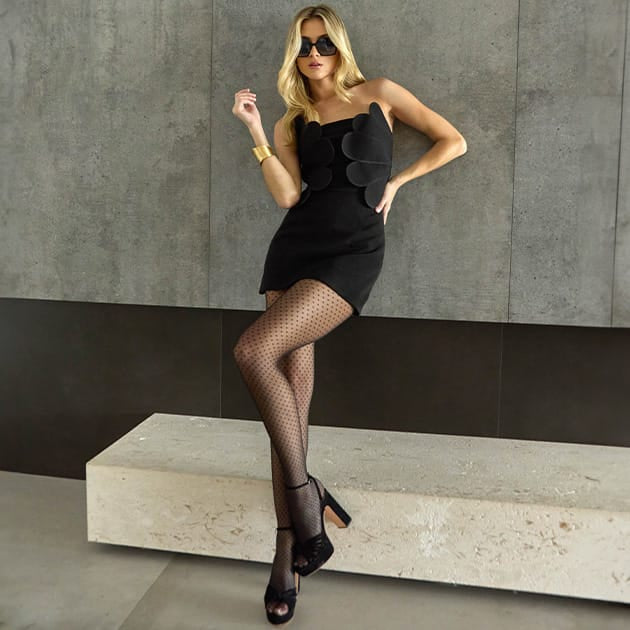
For a floor-length column gown, a mule with embellishment at the toe or strap reads as intentional and polished. For a midi-length or structured cocktail silhouette, a pointed kitten heel or a strappy sandal with crystal detail keeps the proportion balanced without fighting the hem for attention.
How to Navigate the Edit
The Evening Gala Edit at Lola Dré spans 89 pieces, which means there is genuine range here — from the most formal black-tie gowns to pieces that translate across multiple dress codes. If you're dressing for a seated charity gala, prioritise structured fabrication and a longer hemline. If your event is a cocktail reception or arts opening with a black-tie suggestion rather than requirement, the midi-length options with architectural detail offer the most versatility. And if the brief is simply "formal" with no further instruction, a sleek column in navy, black, or deep ivory will never misread a room.
The most important thing, as with all formal dressing, is to choose something that fits your body precisely. Designer eveningwear is cut with specific proportions in mind, and a single alteration — a shortened hem, a taken-in bodice — can be the difference between a dress that looks expensive and one that looks like it was made for you.
The full collection is waiting — 89 reasons to arrive exactly as you intend to.