

The Architect of the Sole: Why Robert Clergerie Boots Remain a Wardrobe Essential
There are shoe designers, and then there are shoe architects. Robert Clergerie belongs firmly to the latter category — a Frenchman from Romans-sur-Isère, the historic leather-working heartland of the Drôme region, who spent four decades redefining what a shoe could structurally and aesthetically be. His boots, sandals, wedges, and clogs carry a DNA unlike anything else in the market: geometric, cerebral, and yet entirely wearable. They are the shoes that stylists reach for when they want a look to feel considered rather than merely assembled.
Understanding the appeal of Robert Clergerie footwear requires a brief step back in time. Clergerie took over the historic Joseph Fenestrier shoe factory in 1981 and almost immediately began building a cult following among architects, artists, and fashion editors — people who respond to form as much as function. His signature became the architectural platform: a structured wooden or leather-wrapped sole that lifts the foot with authority, not apology. By the mid-1980s, his robert clergerie boots were appearing in American Vogue alongside the era's most forward-thinking ready-to-wear.
The Anatomy of a Clergerie Boot
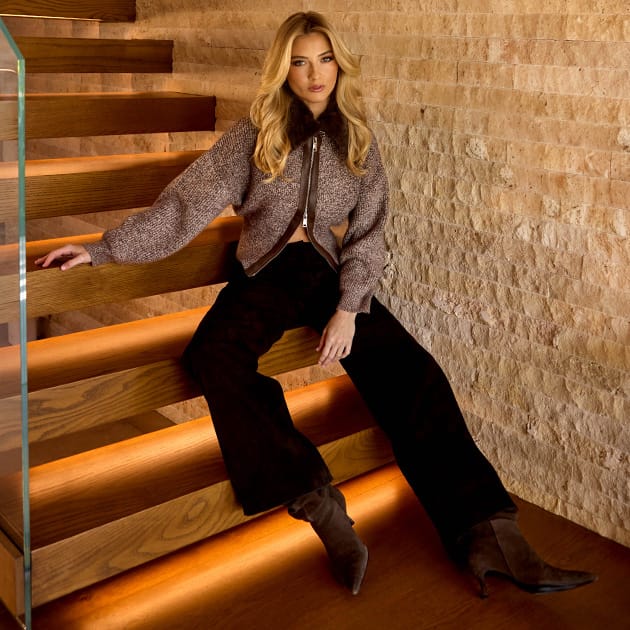
What sets a Robert Clergerie boot apart is the sole architecture. Where other houses focus their artistry on the upper — the leather, the stitching, the hardware — Clergerie interrogates the foundation. His chunky block heels and platform constructions are engineered for stability without sacrificing elegance. The result is a boot that reads as intellectual on the shelf and surprisingly practical on the pavement. They suit wide-leg trousers, midi skirts, and even tailored shorts with equal conviction.
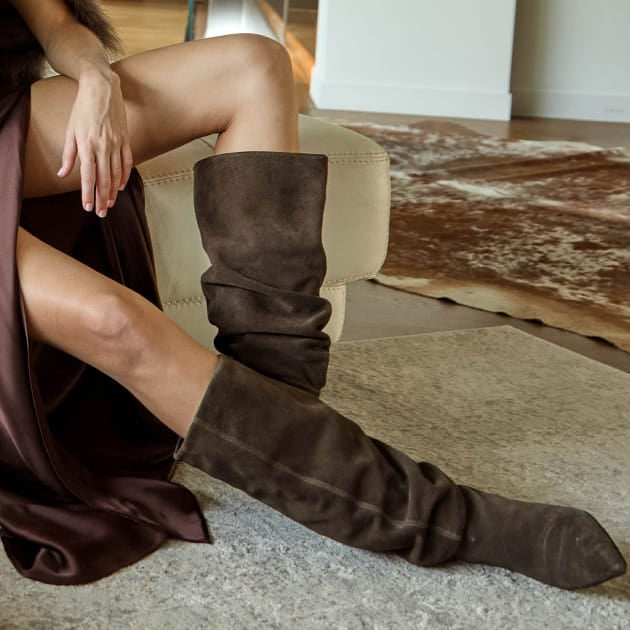
If you're searching for that same architectural energy in designs available now, the current season offers some compelling alternatives worth exploring. Aquazzura's lace-detailed bootie brings a similar spirit of craft-as-art to the ankle boot silhouette, while Staud has become a reliable source of thoughtfully constructed boots at a more accessible entry point.

Mon Amour Floral Black Lace Bootie
AQUAZZURA — $568.00

Western Wally Whipstitch Espresso Suede Boot
Staud — $487.00

Wally Espresso Suede Foldover Mid Calf Boot
Staud — $325.00
Explore the full Women's Designer Boots collection →
Robert Clergerie Sandals & Wedges: Summer's Most Intellectual Shoe
While the boots command the most search traffic, Clergerie's warm-weather offerings are equally covetable. His robert clergerie sandals tend toward the minimal — clean leather straps anchored to a statement sole — while his robert clergerie wedges and robert clergerie platform sandals push the architectural conversation further. There is often a subtle asymmetry, a deliberate angularity that marks these shoes as designed objects first, fashion objects second.
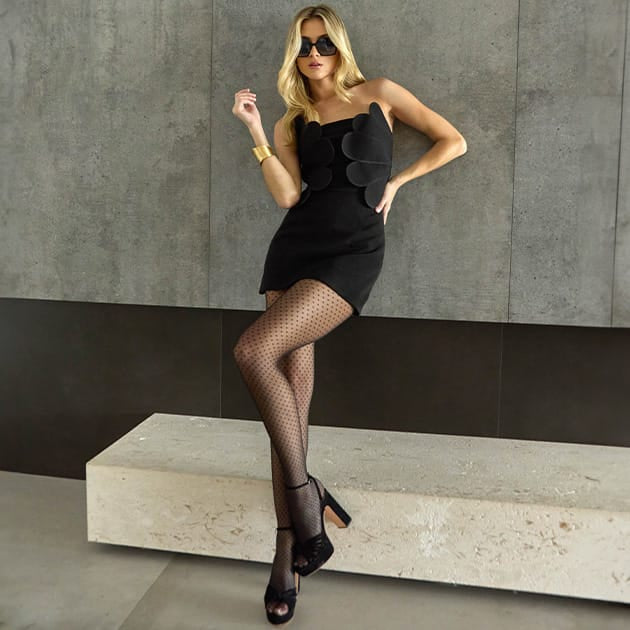
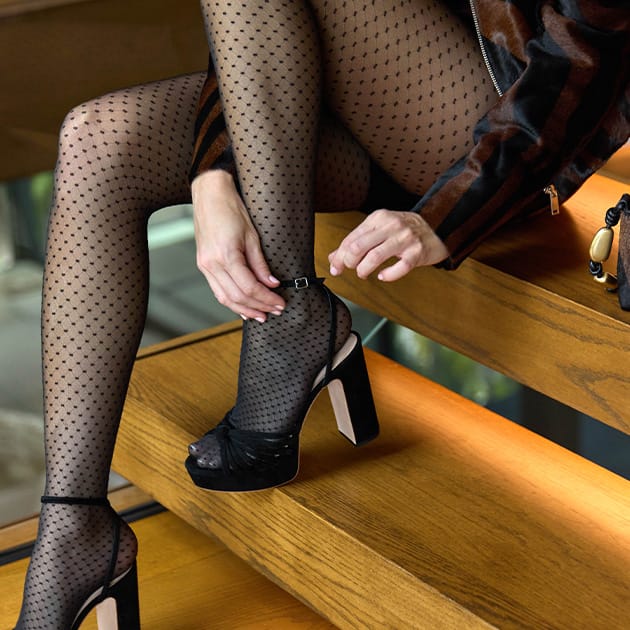
For those drawn to that elevated, platform-forward aesthetic, Paris Texas has emerged as one of the most compelling contemporary references — their leather constructions share a similarly restrained French sensibility. And for moments when the platform silhouette needs to carry a whole look, Loeffler Randall's velvet platform sandal brings the same drama with confident ease.

Marielle Leather Slingback Wedge Sandal
Paris Texas — $338.00

Loretta Black Velvet Platform Sandal
Loeffler Randall — $180.00

Angelina Cream Moiré Bow Wedge
Loeffler Randall — $158.00
The Clog Question: Clergerie's Most Polarising Silhouette
No conversation about Robert Clergerie is complete without addressing the clogs. The robert clergerie clog — often featuring a substantial wooden or leather-wrapped platform, a squared toe, and a simple leather upper — has long been the litmus test for true brand devotees. It is not a shoe for the timid. It demands wide-leg denim, a linen trouser, or a floaty slip dress. Worn correctly, it reads as the most considered shoe in the room. Worn casually, it carries a wonderful nonchalance that is deeply, unmistakably French.
The clog's revival over the past several seasons has reaffirmed what Clergerie understood decades ago: that the most interesting shoes inhabit the productive tension between functional form and high fashion. It is a tension that continues to fuel the house's design language — and one that keeps a dedicated community of women returning season after season.
How to Style Architectural Footwear
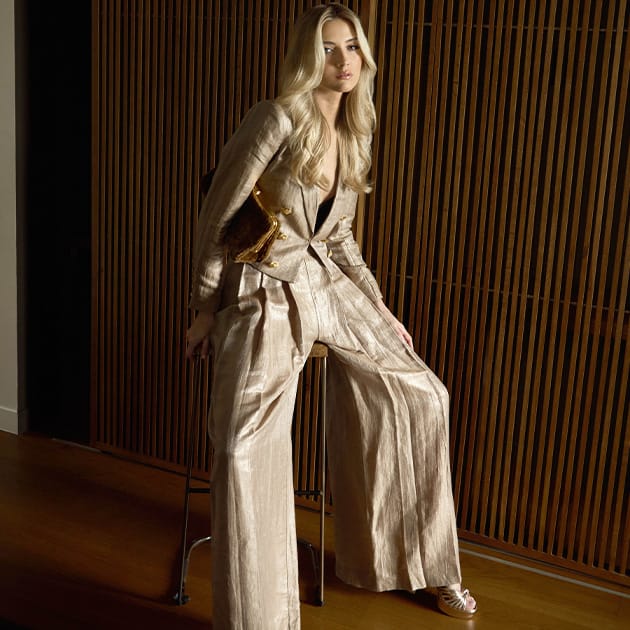
The golden rule with any architectural shoe — whether a Clergerie original or a contemporary piece sharing that spirit — is to let the footwear lead. Keep the rest of the outfit in its service. A chunky-soled boot grounds a floaty midi dress beautifully; a platform sandal elevates (literally and figuratively) an otherwise simple linen set. The key is proportion: architectural soles read best with volume above — wide trousers, full skirts, generous sleeves — rather than with narrow, body-conscious silhouettes that compete for visual weight.
At Lola Dré, we curate footwear with exactly this philosophy in mind — pieces that are worth knowing about, worth investing in, and worth styling with intention. Whether you are a long-time devotee of the Clergerie aesthetic or newly discovering the pleasure of a shoe built like a small piece of architecture, the edit below is worth your time.
Explore Women's Designer Boots on Sale →
The best shoes don't follow fashion — they establish a point of view. Robert Clergerie understood this in 1981, and the most enduring pieces in today's market understand it still.