

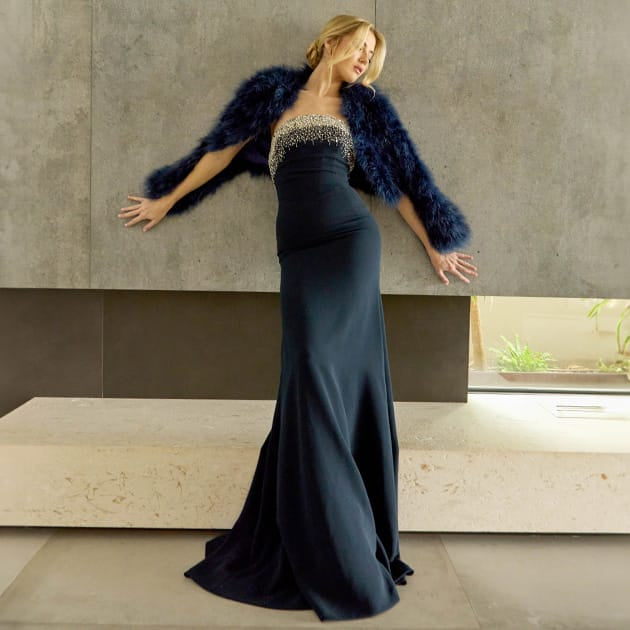

The Halston Jumpsuit: A Legacy of Effortless Power Dressing
There is a particular kind of confidence that comes from slipping into a perfectly cut jumpsuit — one fluid garment that replaces every decision, every deliberation, every second-guessing that otherwise fills a morning. Halston understood this intuitively. His jumpsuits, conceived in the early 1970s and worn under the disco lights of Studio 54 by Bianca Jagger, Liza Minnelli, and a constellation of New York's most luminous women, were not simply clothing. They were philosophy made fabric.
The Halston jumpsuit was the product of a very particular design intelligence. Roy Halston Frowick — known simply as Halston — had trained as a milliner before turning to women's ready-to-wear, and that background gave him an obsessive sensitivity to how fabric moved against the body in motion. His jumpsuits favored bias cuts, fluid jerseys, and the kind of negative space that made a silhouette appear sculpted rather than dressed. The iconic white Halston jumpsuit, in particular, became a shorthand for a whole era of American minimalism: clean, sensual, and quietly radical.
Why the 70s Jumpsuit Still Resonates
The appeal of the Halston jumpsuit 70s aesthetic hasn't faded — it's deepened. In an era where fashion cycles accelerate faster than ever, there's something anchoring about a silhouette this resolved. The wide leg, the cinched waist, the absence of fuss: these are not trends, they are proportional truths. Contemporary designers working in the same spirit understand that the jumpsuit is, at its best, an exercise in restraint. Every superfluous detail removed is a form of elegance added.
This is precisely why the belted, sleeveless jumpsuit has endured as a wardrobe cornerstone from the Studio 54 era into our own. It flatters across decades because it works with the body rather than against it — and it photographs, moves, and travels as beautifully as anything in fashion.

Bogotá-born designer Silvia Tcherassi has long moved in the same aesthetic territory as the great American minimalists, and the Noel Sleeveless Belted Jumpsuit is one of her most assured statements. The sleeveless silhouette and cinched waist are direct descendants of the Halston blueprint — power dressing stripped of any pretense, all structure and no clutter. In rich royal blue rather than the classic white Halston jumpsuit palette, it proves that the formula translates across color as readily as it does across decades.
The Art of the Wide Leg
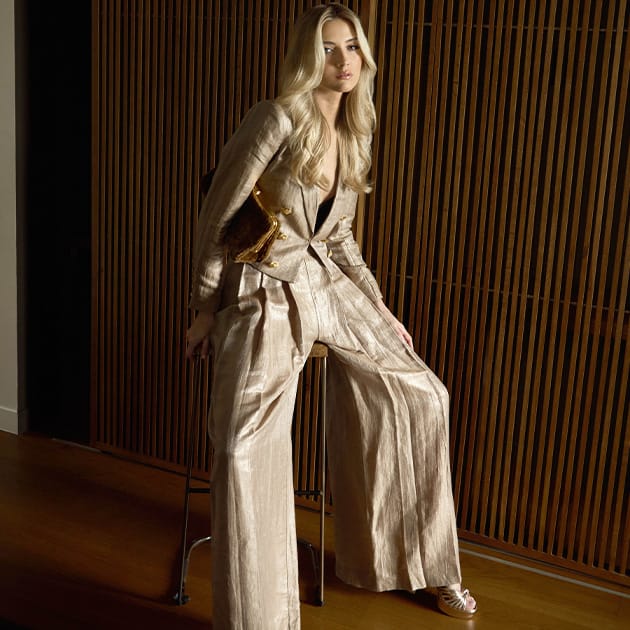
If Halston's jumpsuits had a single defining proportional note, it was the wide leg — the way fabric fell from hip to floor in an unbroken vertical that could make any woman appear six feet tall. The strapless variation, which appeared throughout his late-70s work, pushed the formula further: a single piece of cloth that seemed to defy gravity through the sheer authority of its cut.

Colombian label Azulu channels exactly that spirit in the Andalucia Strapless Wide Leg Jumpsuit. The strapless construction asks the same things of the wearer that a Halston jumpsuit black edition would have demanded — a certain ease, a certain self-possession — while the wide-leg silhouette delivers that signature floor-grazing drama. It is the kind of piece that requires nothing else: no layers, no statement accessories, simply a great shoe and the willingness to let the cut do all the work.
How to Style It, Now
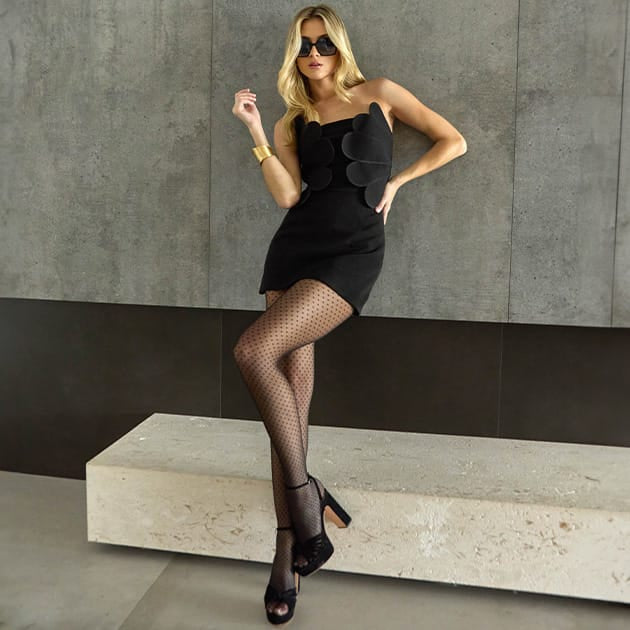
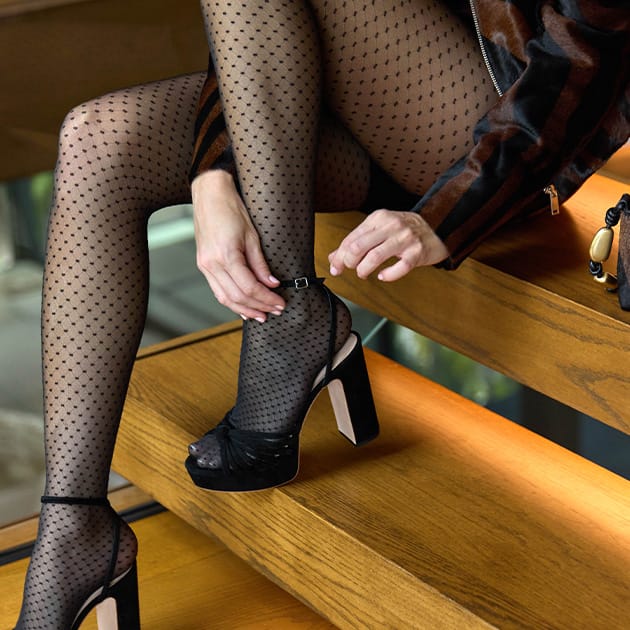
The instinct to over-accessorize a jumpsuit is one worth resisting. Halston himself understood that simplicity is the most sophisticated styling choice — his models appeared in jewelry that was architectural but sparing, shoes that elongated rather than competed, hair that didn't fight the line of the garment. In practice, this translates to: a single gold cuff, a strappy heel, nothing more. The jumpsuit earns its authority precisely because it needs no reinforcement.
For evening, a sleek updo brings the neckline and shoulders into focus — particularly powerful with a strapless or sleeveless style. For a more relaxed register, low-heeled mules and a minimal clutch shift the same silhouette toward something effortlessly daytime. The 70s jumpsuit aesthetic was never about occasion-dressing; it was about making any occasion feel elevated by default.
At Lola Dré, the edit of designer jumpsuits reflects precisely this understanding — that the most considered wardrobe choices are the ones that do the most with the least. The pieces above are chosen not because they reference history for its own sake, but because they solve the same problem Halston set out to solve: how to make a woman look as though she never had to think about what to wear.