

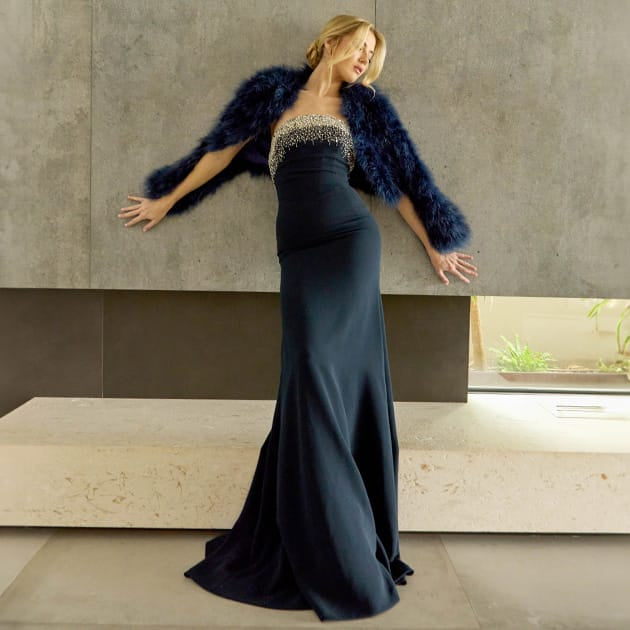

Marmar Halim: Where Architecture Meets Couture
In a world where evening wear often chooses between statement and sophistication, Marmar Halim refuses to compromise. The emerging designer has carved out a distinctive niche by treating fabric like a sculptor treats marble—each fold deliberate, every drape purposeful, transforming the female form into a work of architectural beauty.

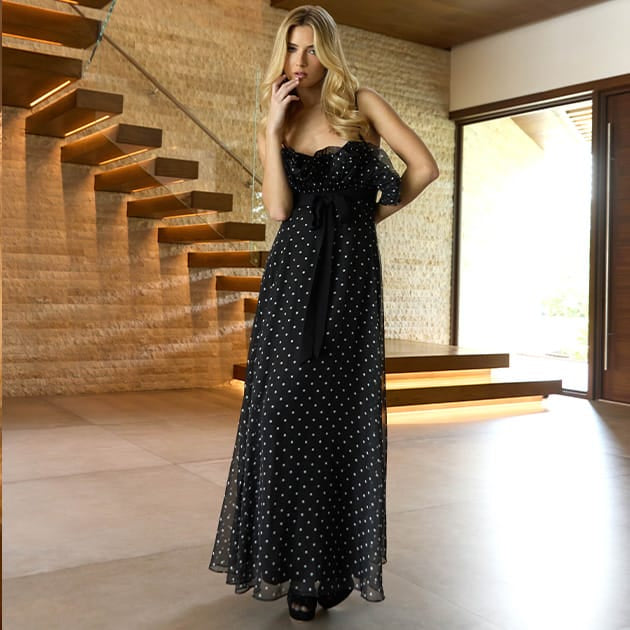
What sets Halim apart in the crowded luxury market is her understanding that modern women want drama without theatrics, presence without pretense. Her gowns speak in the language of contemporary minimalism while honoring the timeless codes of haute couture. Each piece feels like it could grace a red carpet or a private soirée with equal aplomb.
The designer's mastery lies in her manipulation of crepe—a notoriously challenging fabric that demands respect and expertise. In Halim's hands, it becomes liquid architecture, creating silhouettes that are both structured and fluid. The long-sleeve draped gown, available in show-stopping fuchsia and sophisticated blue-grey, exemplifies this philosophy. Its asymmetrical draping creates visual intrigue while maintaining an elegant, wearable silhouette.


Pink Sleeveless Crepe Bow Gown
$20,800
Color becomes another tool in Halim's architectural arsenal. The vibrant fuchsia commands attention while the muted blue-grey whispers sophistication. Even the soft pink of the sleeveless bow gown manages to feel both romantic and commanding—a testament to the designer's nuanced understanding of how color interacts with form.
For the discerning woman curating her evening wardrobe at Lola Dré, Marmar Halim represents an investment in both artistry and versatility. These aren't gowns that will date or feel overly specific to a moment. Instead, they offer the kind of enduring elegance that becomes more valuable with time—pieces that will photograph beautifully decades from now, when fashion historians look back on this era of considered luxury.
In an industry often obsessed with the ephemeral, Halim builds for longevity. Her gowns are conversations between past and future, between sculpture and clothing, between the woman who wears them and the spaces she moves through. They remind us that true luxury lies not in excess, but in the perfect calibration of form, function, and beauty.